Posts

Showing posts from July, 2023

Countrywise worldwide Gold Consumption

Here are some of the top gold-consuming countries based on their gold demand: China: China is the world's largest consumer of gold. It has a rich cultural tradition of valuing gold, and it is used in various forms, including jewelry and investment. India: India has a deep cultural affinity for gold, particularly as jewelry for weddings and festivals. It is also a significant investment asset for Indians. United States: The United States is one of the largest consumers of gold in terms of investment demand. Investors in the U.S. often turn to gold as a safe-haven asset during times of economic uncertainty. Germany: Germany is a major consumer of gold for both jewelry and investment purposes. It has a long history of gold ownership and a strong demand for gold coins and bars. Turkey: Turkey has a robust gold market with significant demand for gold jewelry and investment products. Russia: Russia is known for its large gold reserves, and it has been increasing its gold holdings in rece...
Karat – Standard of Gold Purity

Image
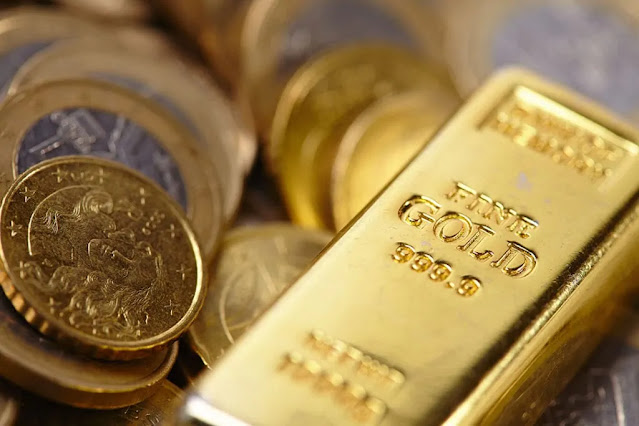
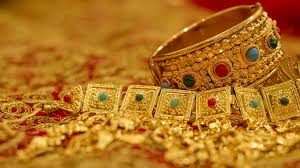
  In its pure form, gold is bright yellow, soft, and highly malleable. However, pure gold is not commonly used for making jewelry or other everyday items because it is too soft and prone to scratching or bending. To improve its durability and strength, gold is often alloyed with other metals, such as silver, copper, nickel, or zinc. 24 karat gold is the purest form of gold that is commercially available. It is also referred to as "pure gold" and is denoted by the symbol "24K." The term "karat" (sometimes spelled "carat") is used to measure the purity of gold, with 24 karats representing 100% pure gold. 22 karat gold (22K) is a type of gold alloy that contains 91.67% pure gold and 8.33% other metals. It is one of the most commonly used gold alloys for making jewelry and has a slightly lower gold content compared to 24 karat gold (pure gold). The reason for adding other metals to gold to create alloys is to enhance its durability, as pure gold is r...

Investment in Physical Gold

Image
In India, gold has significant cultural and social importance. It is often gifted during weddings, festivals, and other auspicious occasions. Gold was one of the major go to investment option for majority of Indians in  the past. This cultural demand contributes to the overall demand for gold in the country. Here are some of the advantages and disadvantages of investing in Gold. Advantages: Safe-haven asset:  Gold is considered a safe-haven asset, which means it tends to retain its value or even increase in times of economic uncertainty, geopolitical tensions, or financial crises. Investors often turn to gold as a hedge against inflation and currency fluctuations. Store of value: Gold has been recognized as a store of value for centuries. Its rarity and desirability make it an attractive option for preserving wealth over the long term. Tangible asset:  Physical gold provides a tangible and portable asset that you can hold and store securely. Unlike paper assets like stock...

Ways to Invest in Gold in India

Image
Investing in gold in India can be done through various methods. Here are some popular ways to invest in gold in India: Physical Gold: a. Jewelry: Purchasing gold jewelry is a common way to invest in gold in India. However, it's important to consider that jewelry may include making charges and may not be the most cost-effective method.   b. Gold Coins and Bars: Buying gold coins and bars from authorised dealers or banks is another option. These can be stored in a safe deposit box or a secured location.   Gold Exchange-Traded Funds (ETFs):  Gold ETFs are open-ended mutual fund schemes that invest in standard gold bullion. These are traded on the stock exchange like any other stock and can be bought and sold at market prices. Investors are issued units that represent their ownership of gold.   Gold Mutual Funds: Gold mutual funds invest in various forms of gold such as physical gold, ETFs, and gold mining companies. Investors can buy units of these mutual funds, which p...